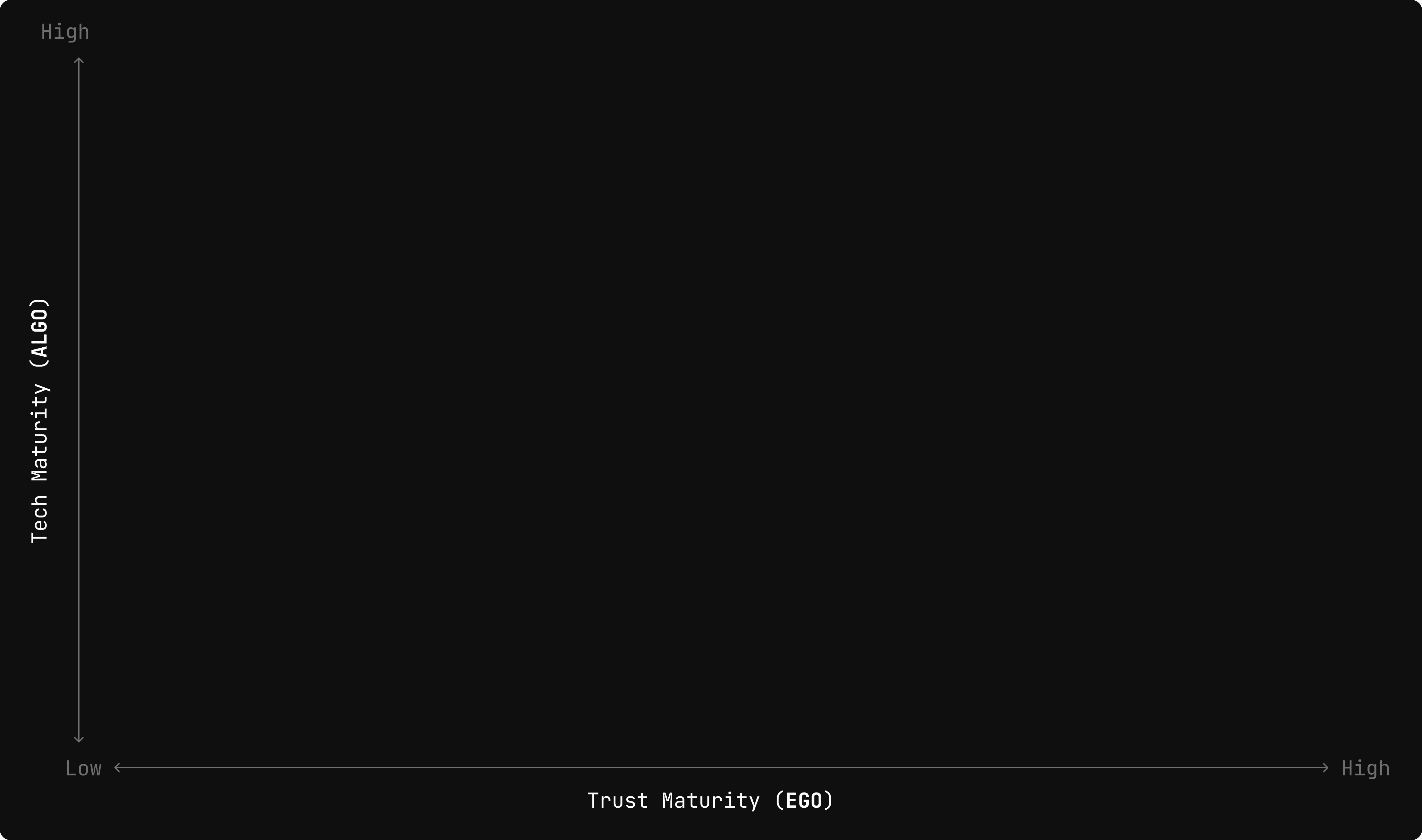
Let’s call it what it is.
Ask a founder if their company is data driven and the answer is almost always yes. There is a CRM. There are dashboards. There are weekly reports.
Then you talk to the team.
And they quietly show you a private spreadsheet they actually rely on because the CRM “isn’t accurate enough.”
That’s where the real problem begins.
This is not a tooling issue.
It is a trust issue.
Shadow IT Is a Signal, Not a Crime
What people call Shadow IT often looks harmless. A side spreadsheet. A hidden Notion page. A personal tracker. A separate Slack thread where the “real numbers” are discussed.
But this is not rebellion. It is self protection.
When teams feel that the official system does not reflect reality, they build one that does. When dashboards do not help them win, they create tools that will. When reported numbers do not match lived experience, they default to what they can verify themselves.
The moment that happens, your company splits into two truths.
There is the official narrative leadership sees.
And there is the operational truth the team actually uses.
The wider the gap, the more dangerous it becomes.
Decisions get slower because people debate the data before they debate the solution. Meetings become alignment theater. Metrics are reviewed but not believed. Reports are shared but quietly questioned.
On the surface, everything looks organized. Underneath, trust is eroding.
This is how the illusion of velocity is created. The company looks busy. It looks analytical. It looks sophisticated.
But it is drifting.
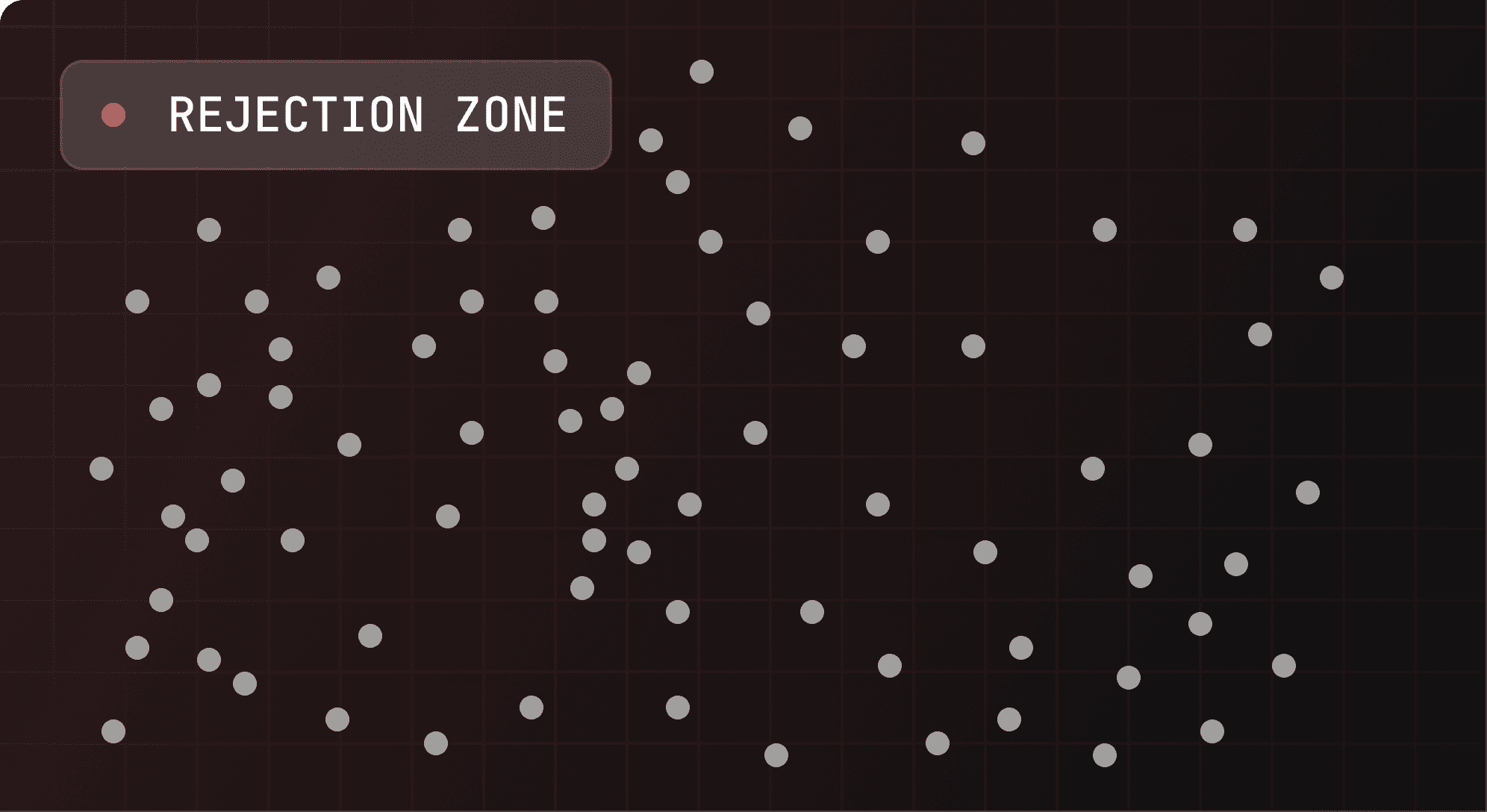
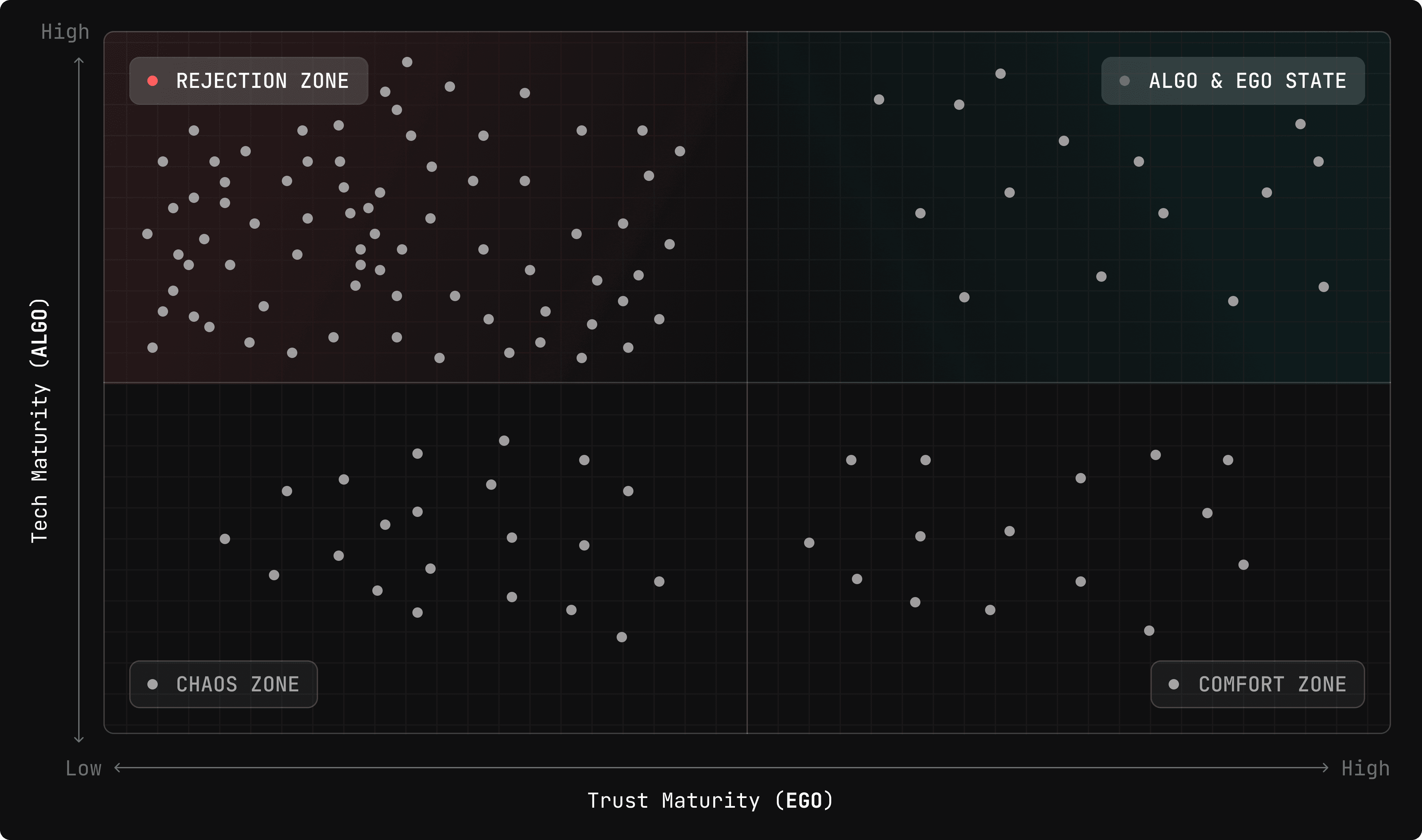
The Rejection Zone
After working closely with ops teams and founders, I began to see a pattern.
Some companies scale predictably. Others stall, even with talented people and strong funding.
The difference is not effort. It is not intelligence.
It is what I call the Rejection Zone.
Metrics are reported, but not believed.
Dashboards are reviewed, but not used.
Targets are set, but constantly reinterpreted.
Data exists, but decisions are still political.
In this zone, every new tool gets quietly rejected.
Not because it’s bad.
But because trust is low.
So instead of alignment, you get workarounds.
Instead of clarity, you get redundancy.
Instead of velocity, you get motion without progress.
The company thinks it has an execution problem.
What it actually has is a credibility gap between systems and people.
What I Learned After Three Months
I spent three months studying the difference between companies that scale and companies that stall.
The pattern was consistent.
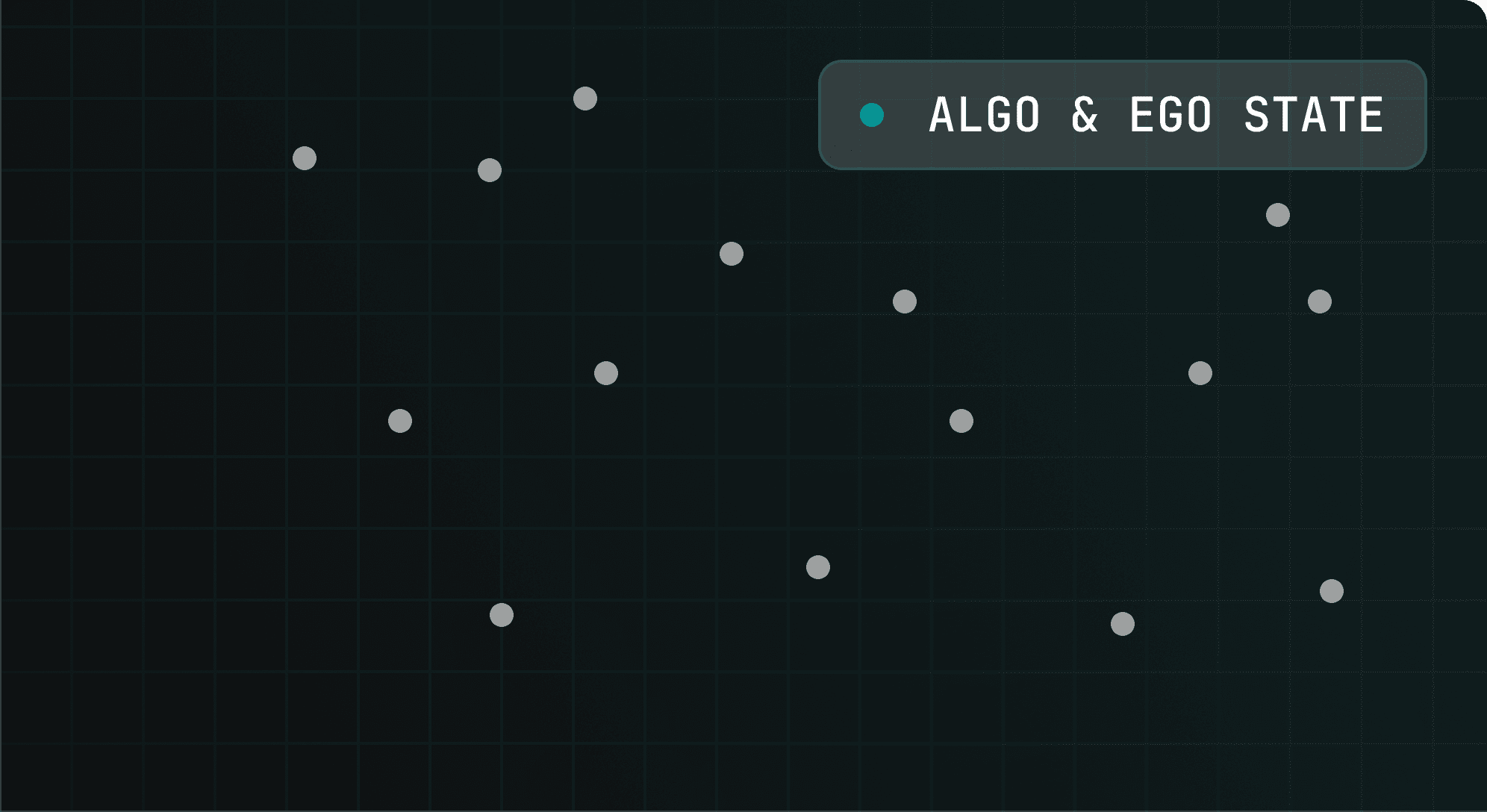
Companies that scale do not necessarily have more tools. They have stronger agreement. There is one source of truth and everyone operates from it. Metrics are not just reported, they are trusted. When numbers move, behavior changes immediately.
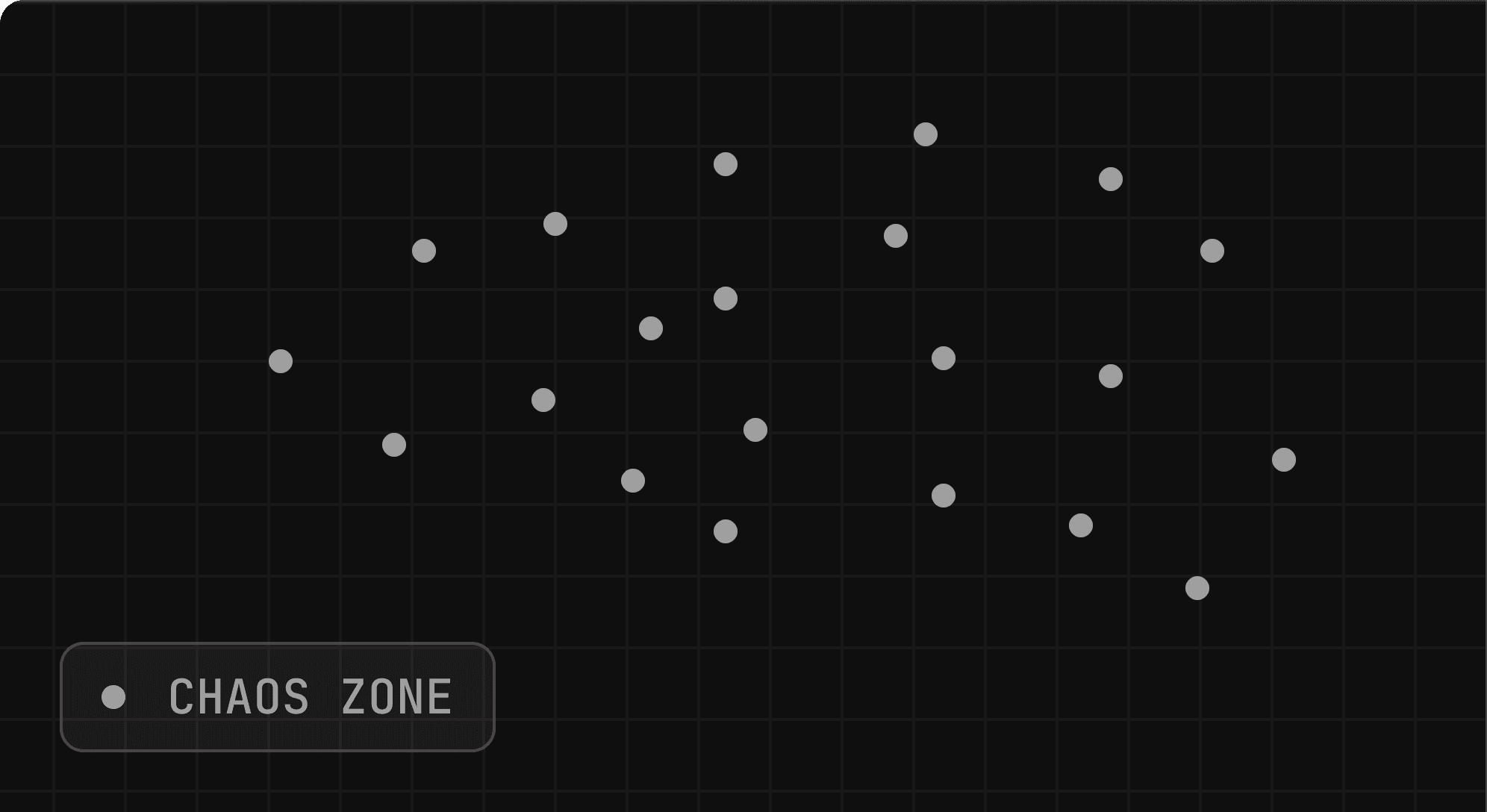
Companies that stall often have more dashboards and more software. But they also have parallel tracking systems. They spend more time debating whether the data is correct than deciding what to do about it. They add layers instead of fixing foundations.
The difference is not sophistication.
It is system integrity.
Scaling companies do not just measure performance. They align around reality.
And until that alignment exists, no new CRM, no automation, no reporting upgrade will fix operations.
Because tools do not create trust.
Trust makes tools work.