What Google Got Right About “Psychological Safety”
At Google, we had the best tools on earth.
Infrastructure was world class. Talent density was absurd. The code quality was high.
But the highest performing teams weren’t the ones with the cleanest architecture.
They were the ones where someone could say,
“I messed up.”
And no one weaponized it.
That difference mattered more than any framework.
The Project Aristotle Insight
Google ran an internal research initiative called Project Aristotle to answer a simple but critical question:
What makes teams effective?
They analyzed hundreds of teams. Looked at seniority, personality mix, technical skill, background diversity, leadership style.
The result surprised many people.
The strongest predictor of team performance wasn’t intelligence. It wasn’t experience. It wasn’t even structure.
It was psychological safety.
The shared belief that the team is safe for interpersonal risk taking.
In simple terms, can you admit a mistake? Can you challenge an idea? Can you say “I don’t know” without fearing damage to your reputation?
When safety was high, performance followed.
When safety was low, even strong talent underperformed.
Where Most Companies Misunderstand This
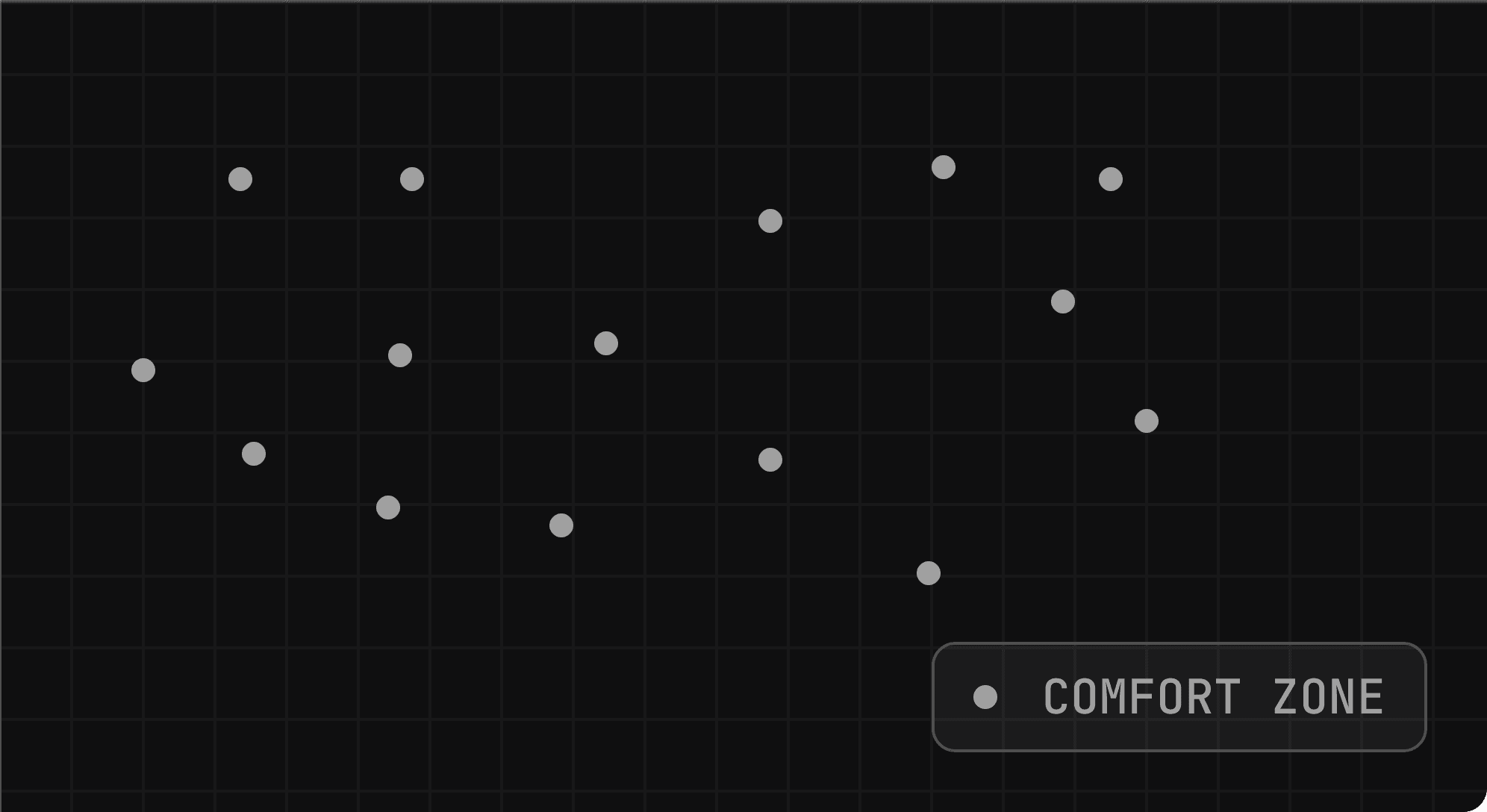
Psychological safety often gets reduced to being “nice.”
That’s not what it is.
It’s not comfort. It’s not consensus. It’s not avoiding tension.
It’s the ability to surface truth without triggering ego defense.
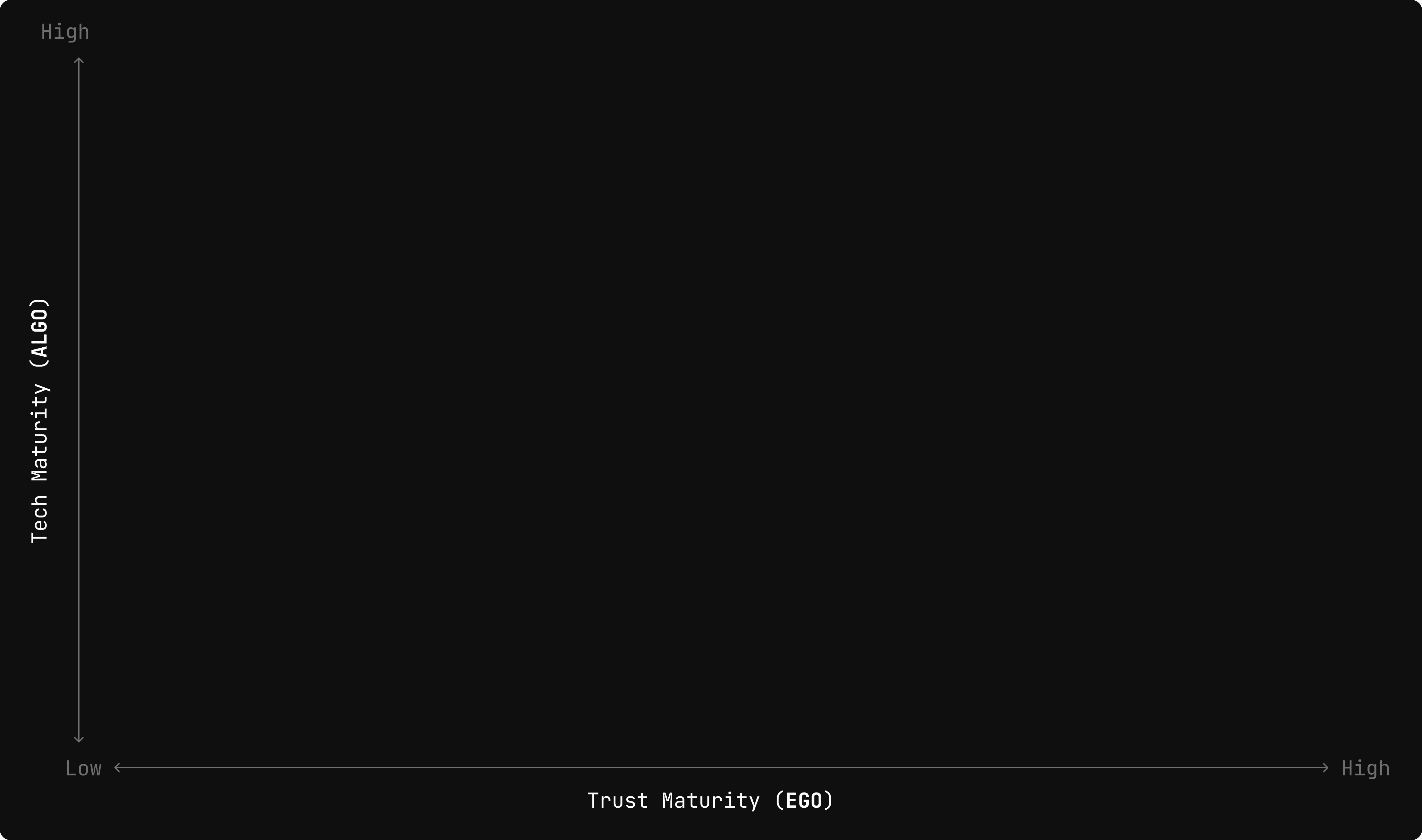
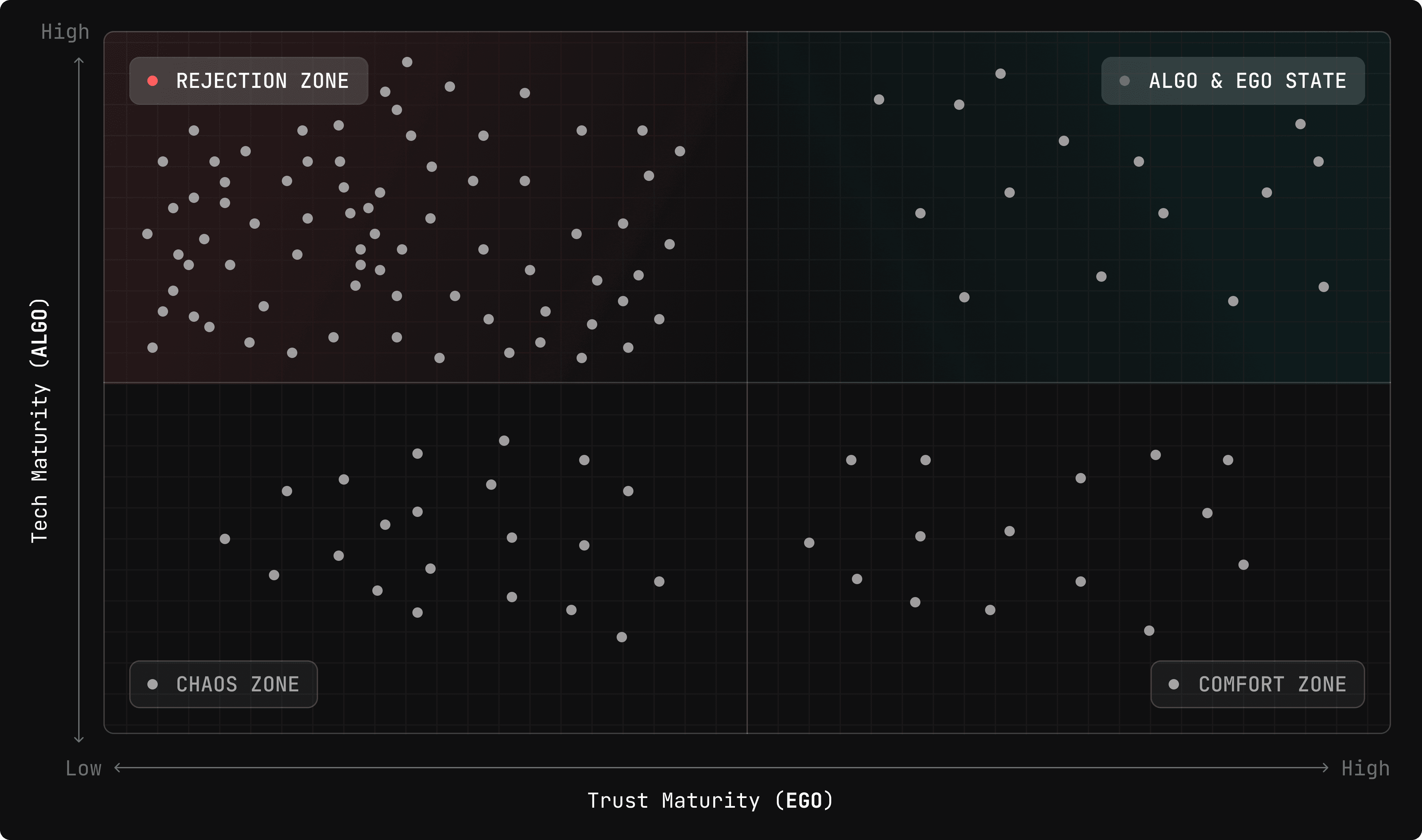
This is where I connect it to what I call the Algo and Ego framework.
The Algo side is the system. Data accuracy. Process clarity. Metrics integrity.
The Ego side is the human layer. Status protection. Fear of being wrong. Political positioning. The need to look competent.
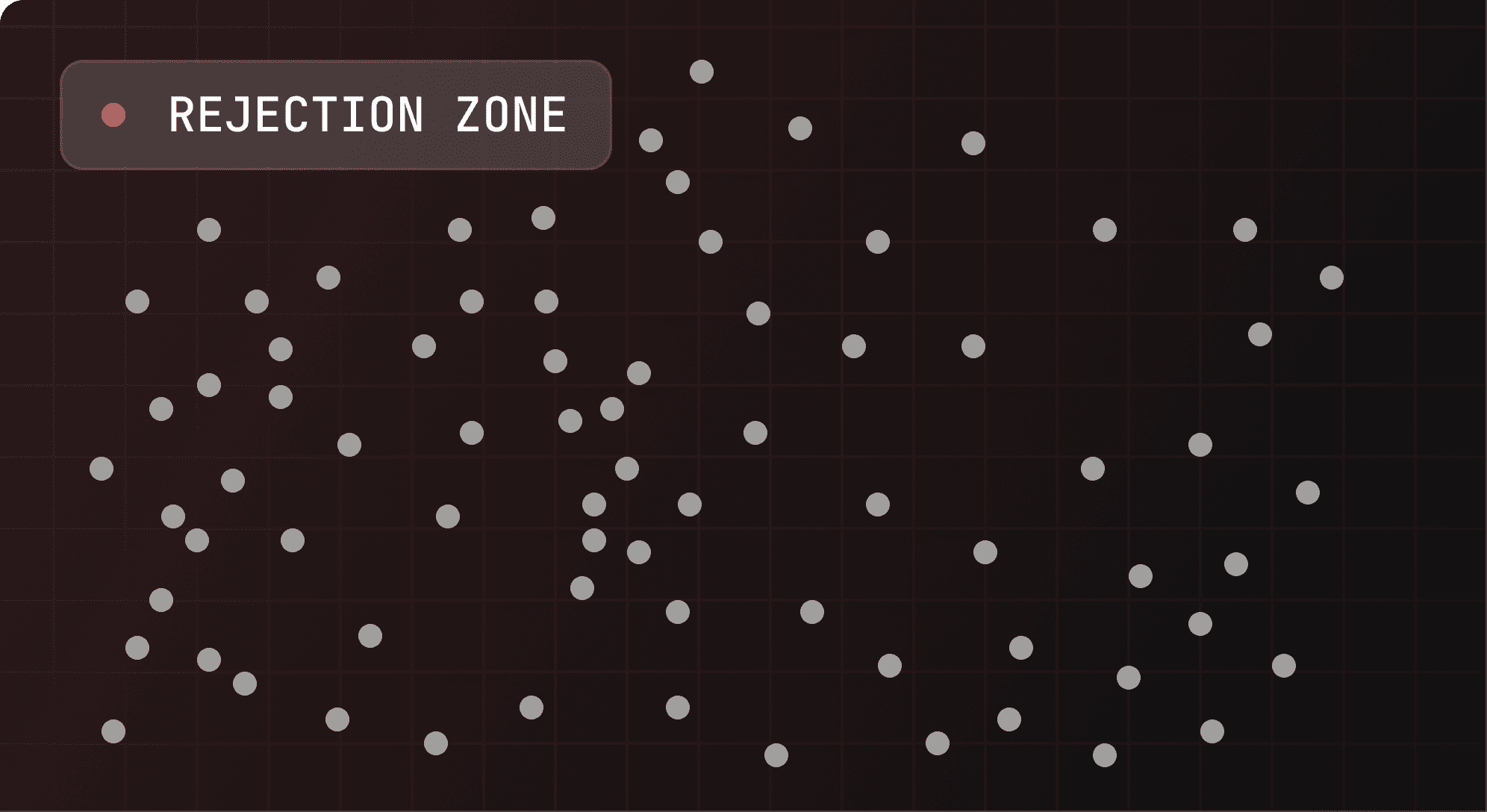
When Ego dominates, data becomes negotiable. Metrics get reframed. Mistakes get hidden. Meetings become performance.
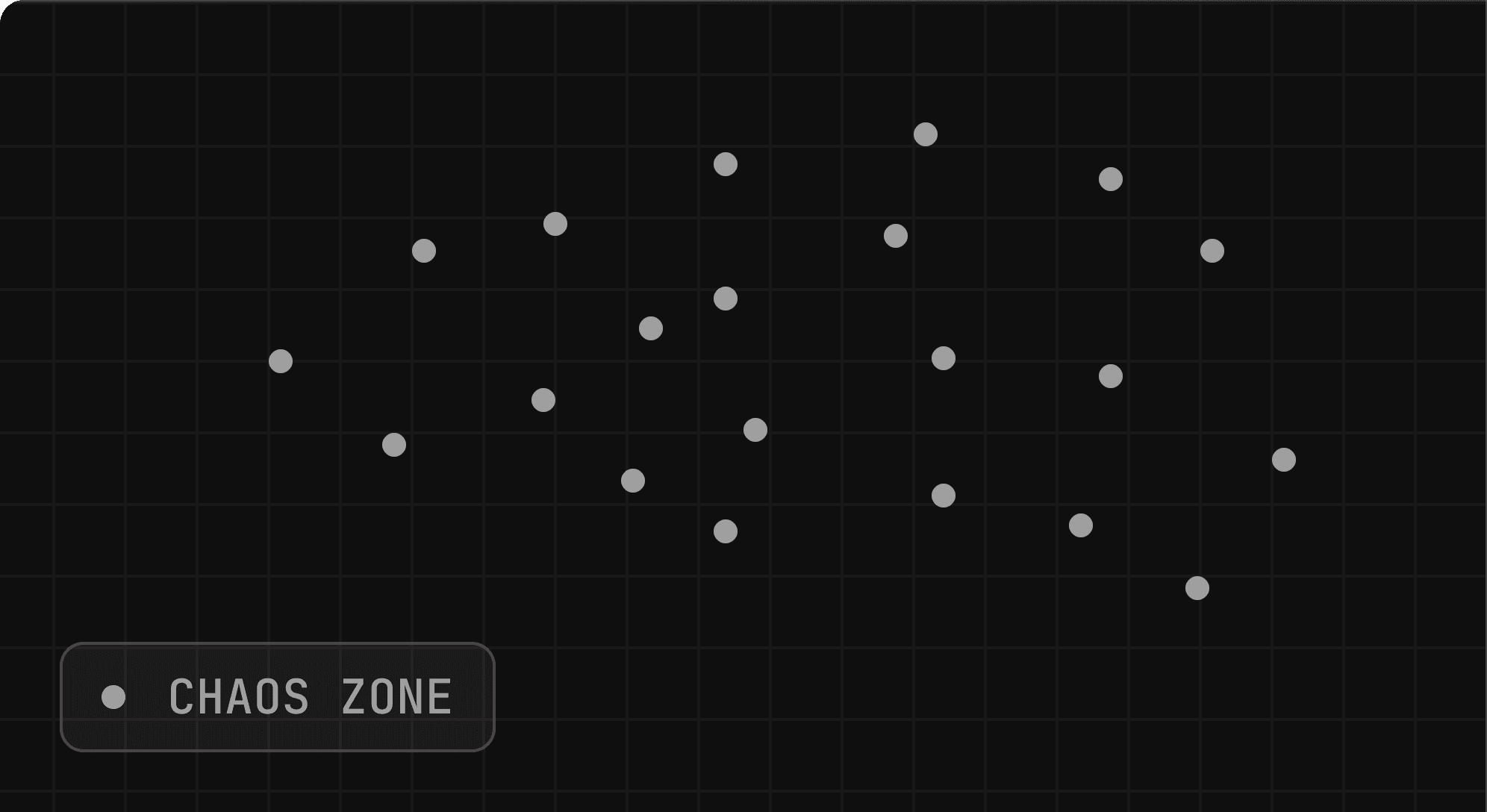
When Algo dominates without safety, people become silent. They comply, but they don’t contribute.
High performing teams balance both.
The system is clear.
And it is safe to challenge it.
That balance is what most organizations miss.
You Don’t Need Google’s Budget
You don’t need world class perks or unlimited engineering resources to create psychological safety.
You need measurement.
Most companies measure revenue, churn, pipeline velocity, and utilization rates.
Almost none measure safety.
Ask simple questions.
Can team members admit mistakes without negative consequences?
Can junior members challenge senior ones?
Do meetings resolve disagreement, or postpone it?
You don’t fix culture by declaring values.
You fix it by diagnosing where safety breaks down.
Because when safety is low, everything else becomes more expensive. Decisions slow down. Talent burns out. Innovation stalls.
And no dashboard will compensate for that.
If you want to improve performance, start by measuring what Google measured.
Not just output.
But safety.
Because the strongest teams aren’t the ones with the best tools.
They’re the ones where truth can move faster than ego.