Stop Hiring “Builders” into “Maintenance” Cultures
Everyone says they want a 0 to 1 killer.
The operator who can step into ambiguity, build systems from scratch, create clarity, and drive scale. The one who “gets things done.”
But here’s the uncomfortable reality.
If you put a 0 to 1 operator into a low trust organization, they don’t build.
They stall.
Or they leave.
And when that happens, most founders blame the hire.
Rarely the culture.
The Comfort Zone Trap
There’s a pattern I see in many growing companies. On paper, everything looks fine. There are dashboards. There are OKRs. Meetings happen. Reports are circulated.
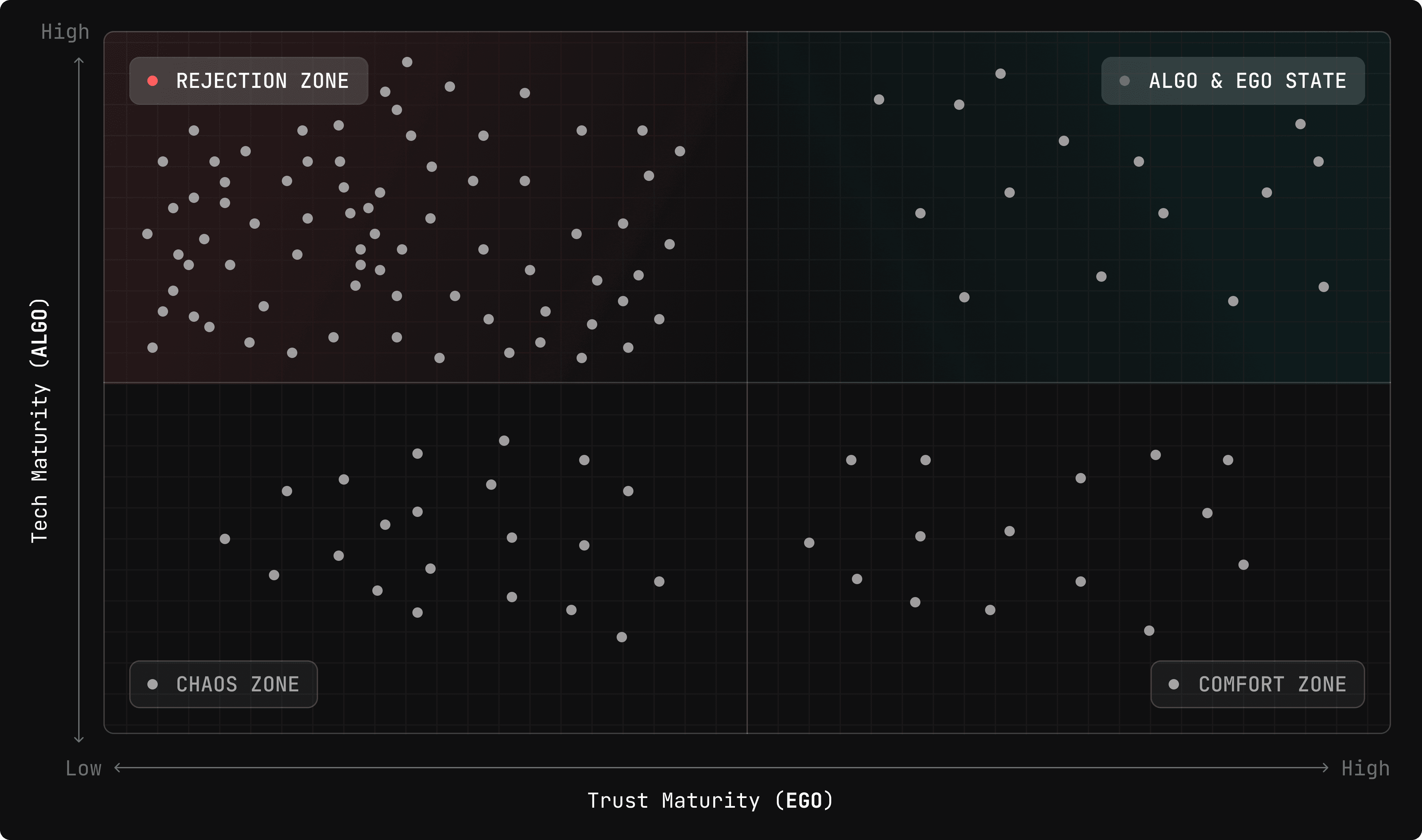
But underneath, the organization is operating inside what I call the Comfort Zone.
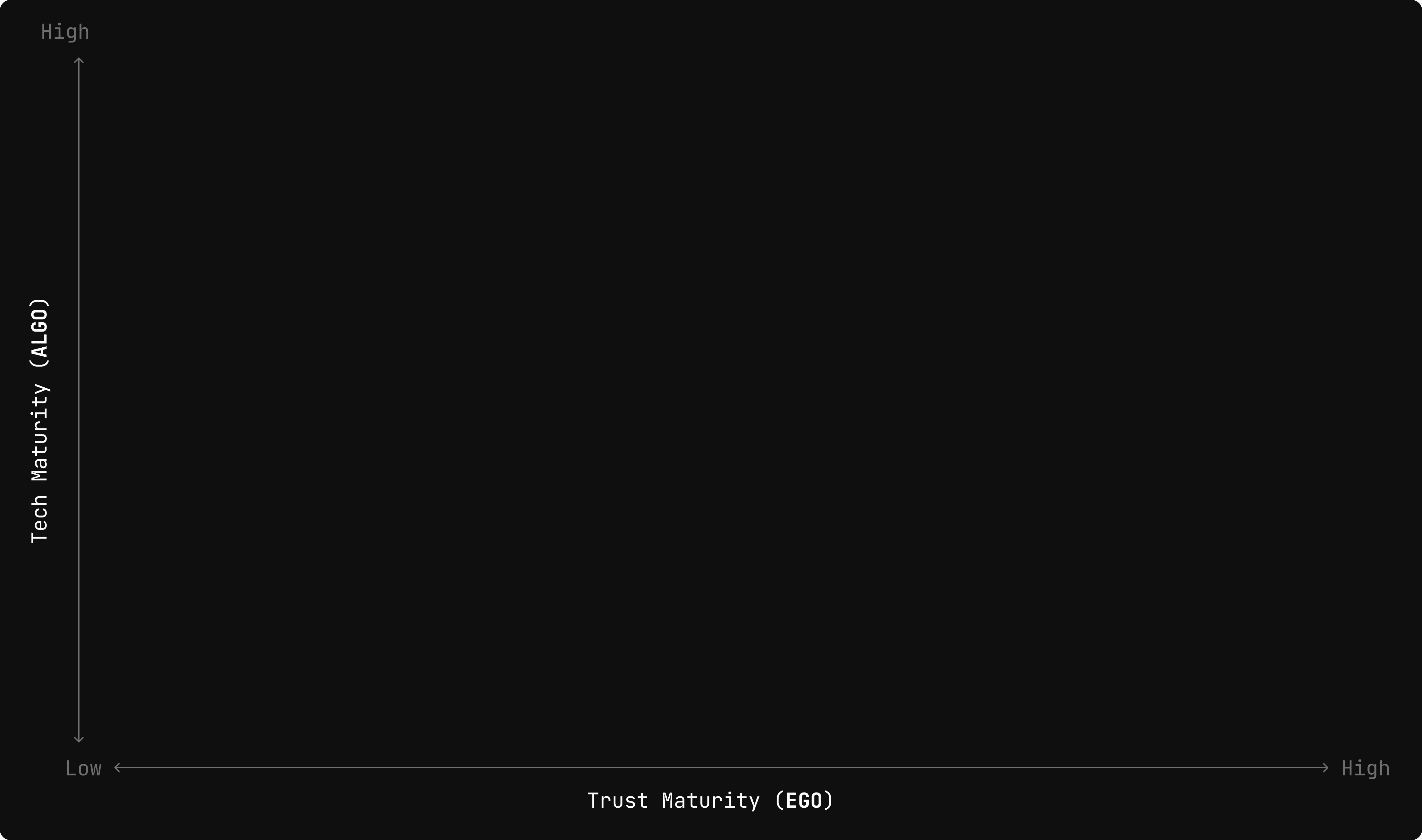
It’s the bottom right of the invisible matrix. High activity. High familiarity. Low challenge. Low structural change.
The company is busy, but not evolving.
Maintenance cultures optimize for stability. They reward people who protect existing processes. They prefer harmony over hard conversations. They value predictability more than transformation.
Now introduce a builder into that system.
Builders are wired differently. They question assumptions. They redesign workflows. They surface inefficiencies others have learned to tolerate. They push for clarity where ambiguity has been normalized.
In a maintenance culture, that energy feels disruptive.
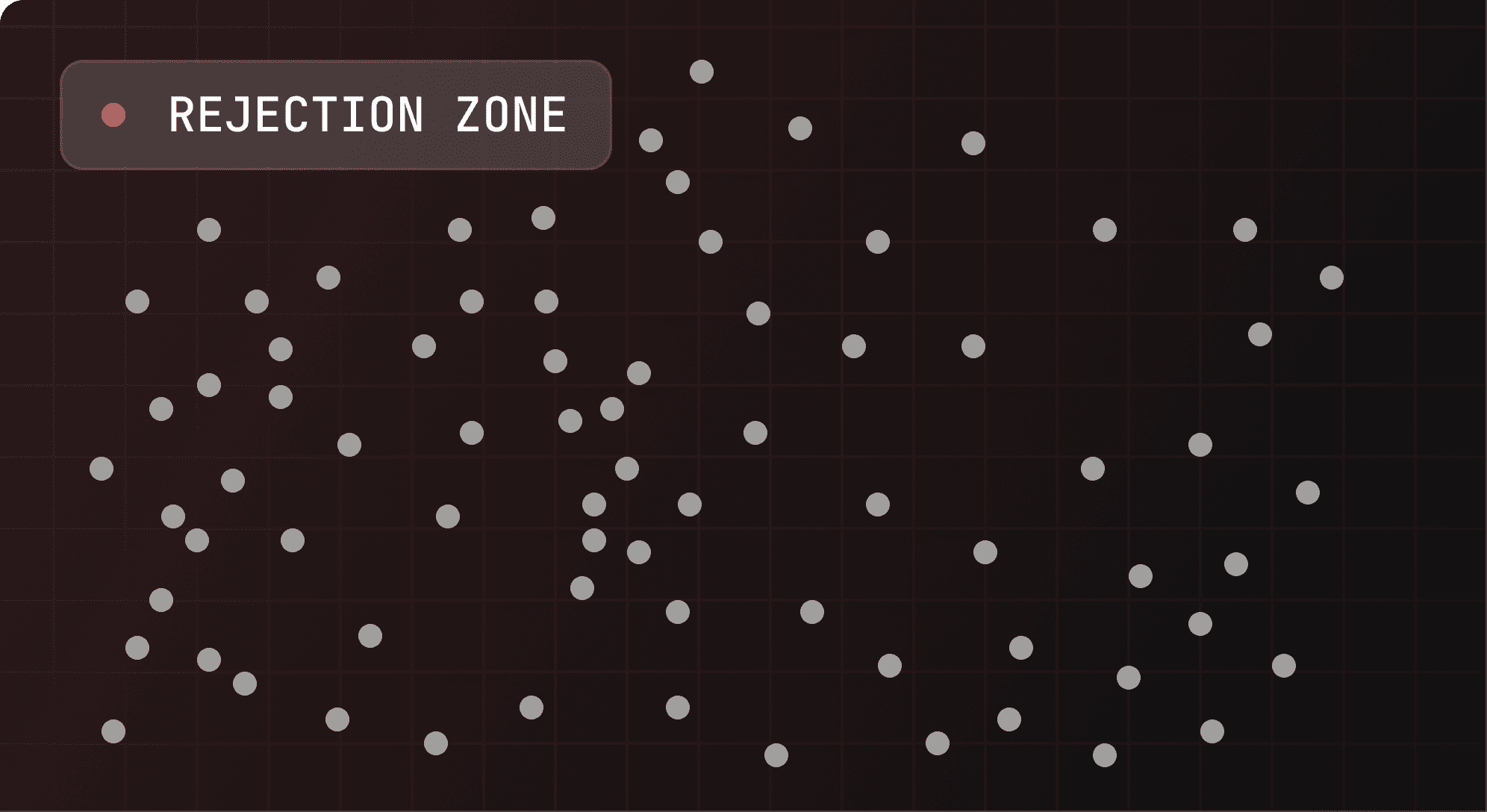
Ideas get slowed down in meetings. Experiments require endless alignment. Momentum gets diluted by consensus. Over time, the builder stops pushing.
Not because they lack capability.
But because the system quietly rejects change.
Hiring Doesn’t Fix Culture. It Amplifies It.
Many founders believe hiring a strong COO or Head of Ops will fix execution problems.
It won’t.
Hiring amplifies your operating system.
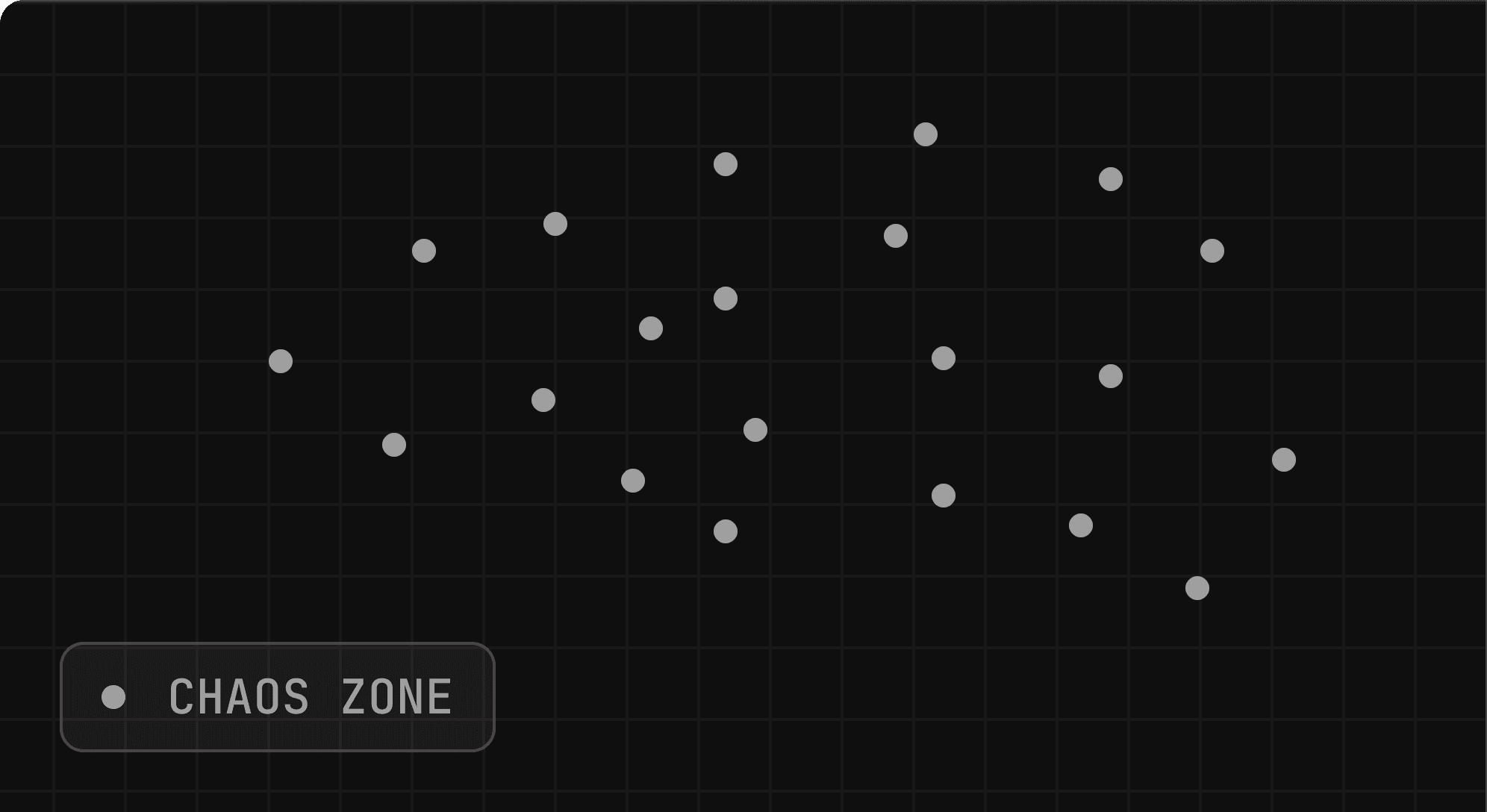
If accountability is inconsistent, a new operator will struggle to enforce it. If metrics are politicized, they will spend more time debating numbers than improving them. If trust is low, even the best processes will be second guessed.
You cannot import operational excellence into a culture that resists it.
You can only expose the gap.
This is why high caliber operators sometimes “underperform” in certain environments. Not because they lack skill, but because the environment does not reward ownership, speed, or candor.
A strong builder inside a weak operating system creates friction, not leverage.
And friction without authority leads to burnout.
You Don’t Need a Better Recruiter
When senior hires fail, companies often rewrite the job description or upgrade the recruiter.
But the issue is rarely sourcing.
You don’t need a better recruiter.
You need a better operating system.
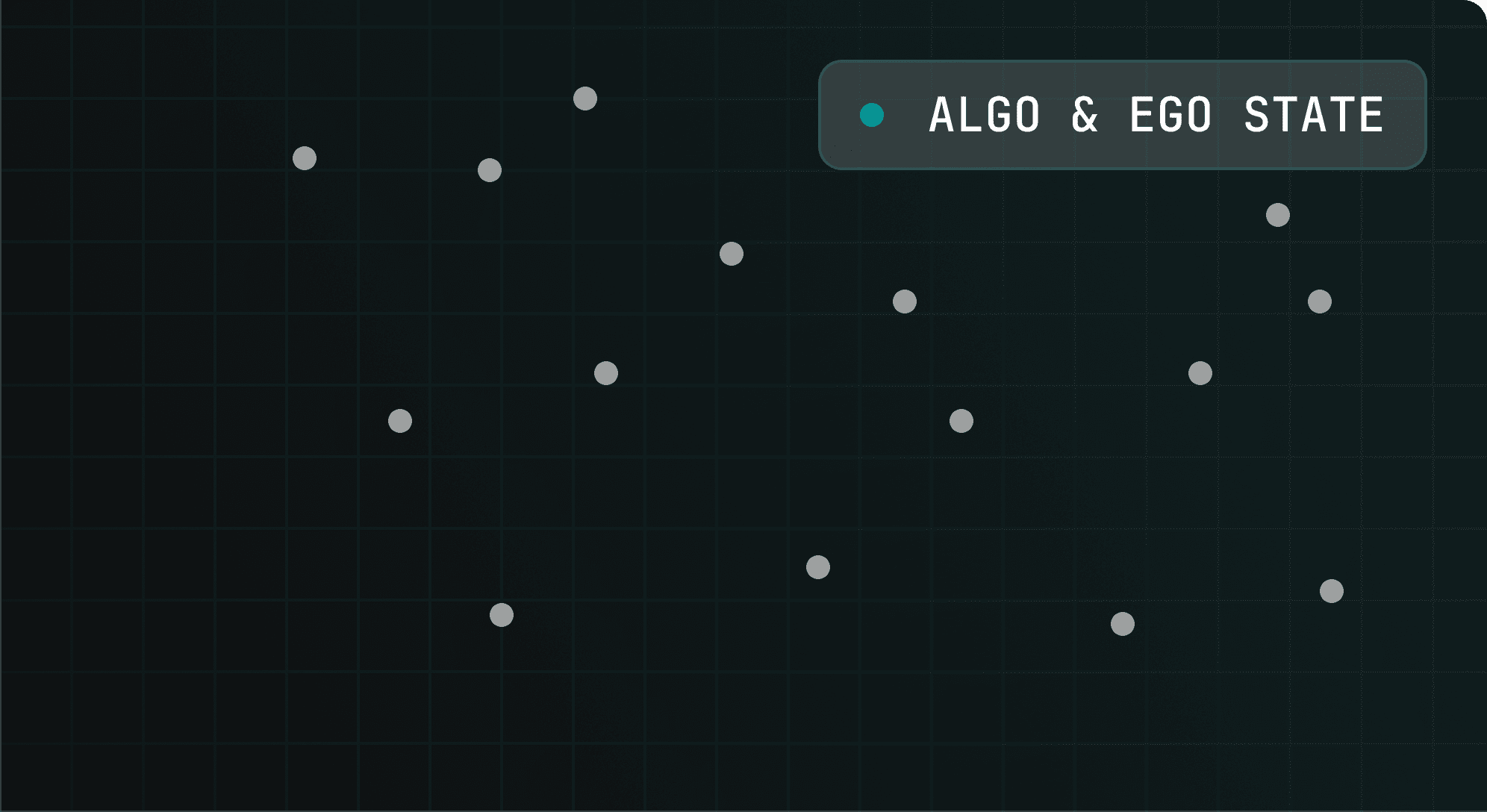
One where metrics are trusted. Where accountability is consistent. Where truth is not punished. Where change is not treated as a threat.
Before you write that JD for a Head of Ops, ask yourself a harder question:
Are we actually ready for someone who will challenge how we operate?
Or are we hoping they will quietly adapt to how we already do things?
Because builders don’t fail in maintenance cultures.
They leave.
And the cycle starts again.