How We Automated Empathy (Without Losing the Human)
We tried to automate Level 1 support.
It looked like an obvious win.
High volume tickets. Repetitive questions. Clear patterns. The kind of workflow AI should handle easily.
So we mapped the flows.
Trained the responses.
Connected it to the CRM.
Launched.
Within two weeks, CSAT dropped.
Escalations increased.
And support agents started quietly overriding the automation.
On paper, the system worked.
In reality, it failed.
Here’s why.
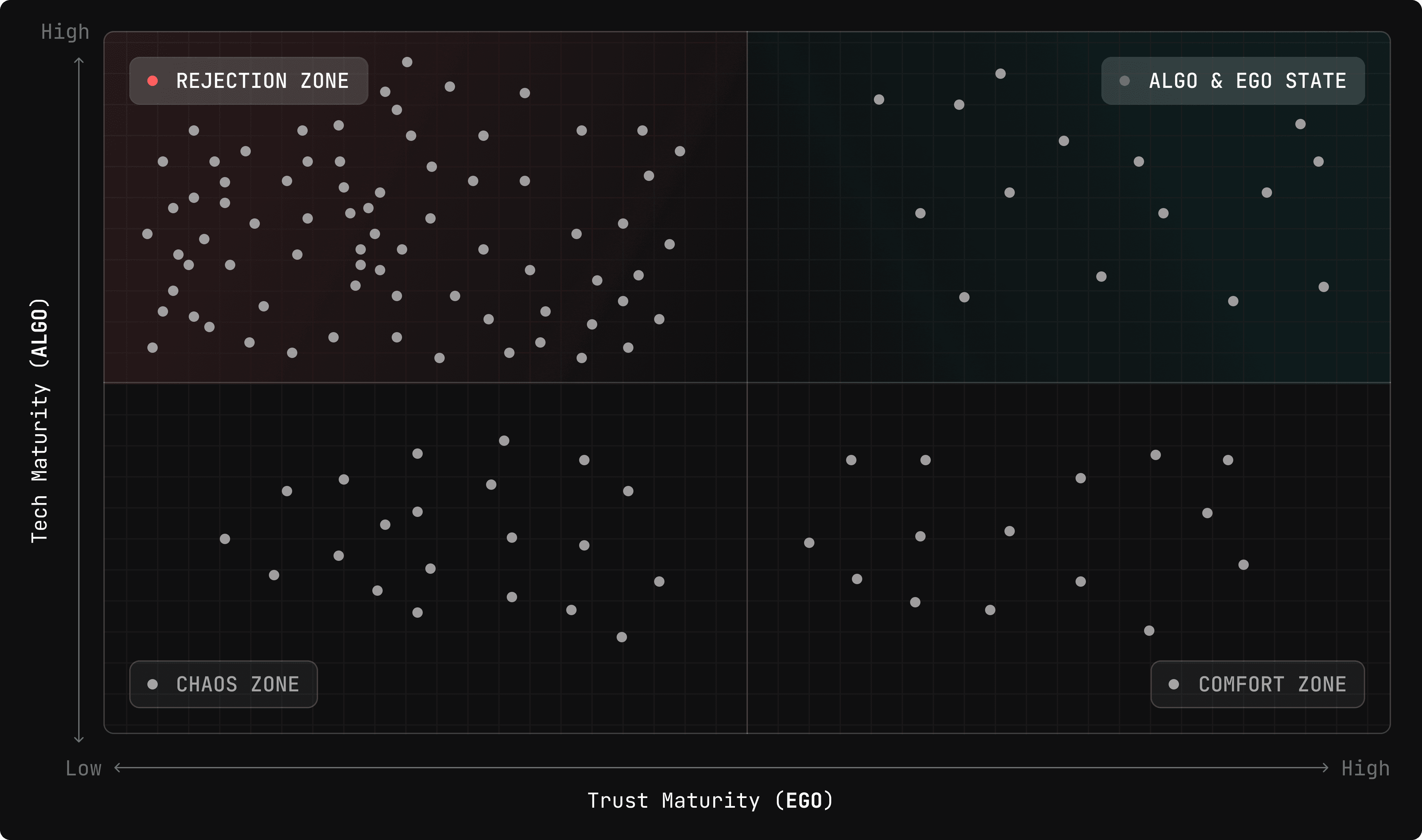
The Algo Without the Ego
From a systems perspective, the automation was solid.
It reduced response time. It categorized issues accurately. It handled predictable queries with clean logic.
The algorithm was efficient.
But we forgot something critical.
Support isn’t just about resolution.
It’s about reassurance.
Customers weren’t only asking, “How do I fix this?”
They were asking, “Are you listening?”
Our automation answered the functional question.
It missed the emotional one.
And the support agents felt it immediately.
They said things like, “It sounds robotic.”
“It escalates too late.”
“It doesn’t read the tone of the conversation.”
At first, we defended the system. The metrics looked fine. Resolution time improved.
But CSAT told a different story.
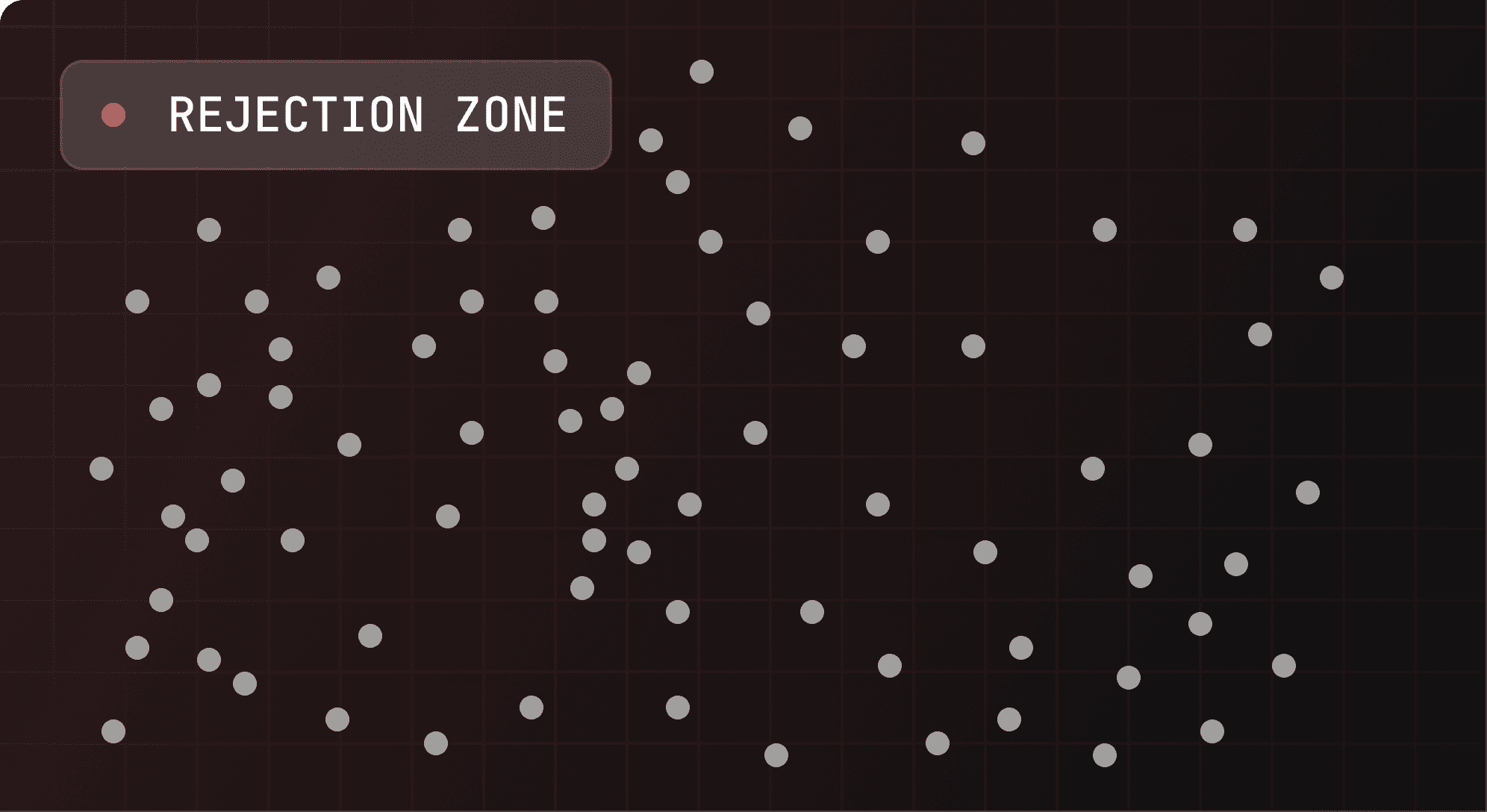
That’s when we realized we had built Algo without Ego.
We optimized logic.
We ignored human dynamics.
What Actually Fixed It
The breakthrough didn’t come from rewriting the model.
It came from redesigning the process.
Instead of treating support agents as end users, we treated them as co designers.
We asked them where automation felt helpful and where it felt intrusive. We mapped emotional friction points, not just ticket categories. We let them rewrite key response templates in their own voice.
We changed escalation triggers based on how agents described “customer anxiety,” not just keyword detection.
Something interesting happened.
Adoption increased.
Override behavior decreased.
CSAT recovered.
The tool didn’t fundamentally change.
The trust did.
Agents no longer felt replaced. They felt augmented.
Customers didn’t feel processed. They felt heard.
The Real Lesson
Automation fails when it ignores status, identity, and emotional context.
When you introduce AI into a workflow, you’re not just changing efficiency.
You’re changing power dynamics.
If the system feels imposed, people resist it. Quietly or openly.
If the system feels collaborative, people improve it.
The mistake wasn’t building automation.
The mistake was assuming efficiency alone would create acceptance.
It doesn’t.
Trust does.
If your team is resisting your new AI tools, it’s probably not because they hate technology.
It’s because something about the design threatens their role, their judgment, or their voice.
And until you surface that, no rollout plan will fix adoption.
The tool didn’t change.
The trust did.