Culture Isn’t Fluffy. It’s a Balance Sheet Item
Most founders think culture problems are soft problems.
They’re not.
They are operational expenses hiding in plain sight.
If you think your culture issues are “just communication friction” or “normal startup chaos,” let’s break down the math.
Because dysfunction is expensive.
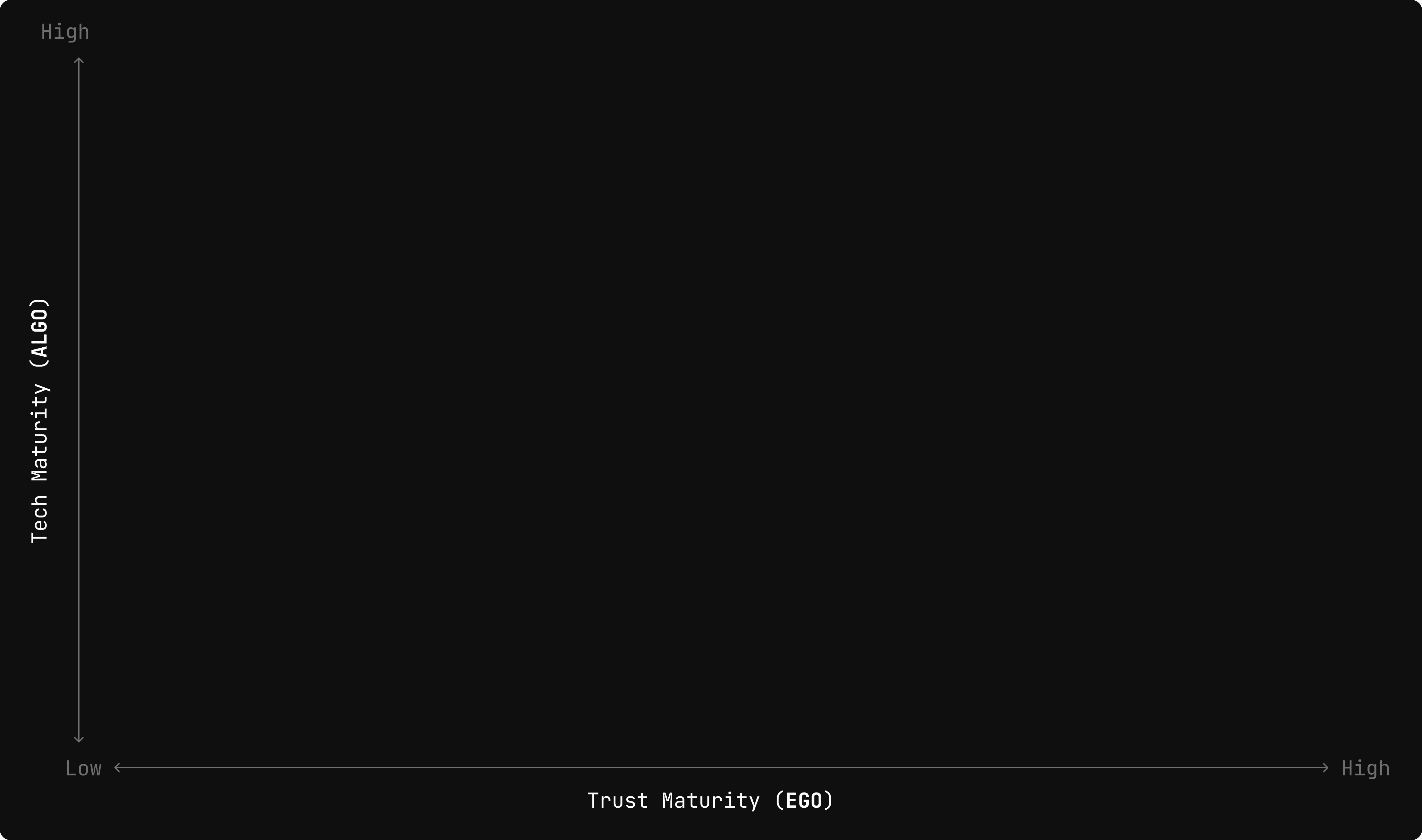
The Algo Gap: Time Lost to Manual Work
Start with the obvious one.
How many hours does your team spend manually entering data that should be automated?
Updating spreadsheets. Reconciling CRM numbers. Copy pasting reports into decks. Double checking metrics because no one fully trusts the dashboard.
Let’s say five people spend just five extra hours per week cleaning or validating data.
That’s twenty five hours a week.
Over a year, that’s more than 1,200 hours.
That’s not a workflow inconvenience. That’s half a full time salary burned on compensating for broken systems.
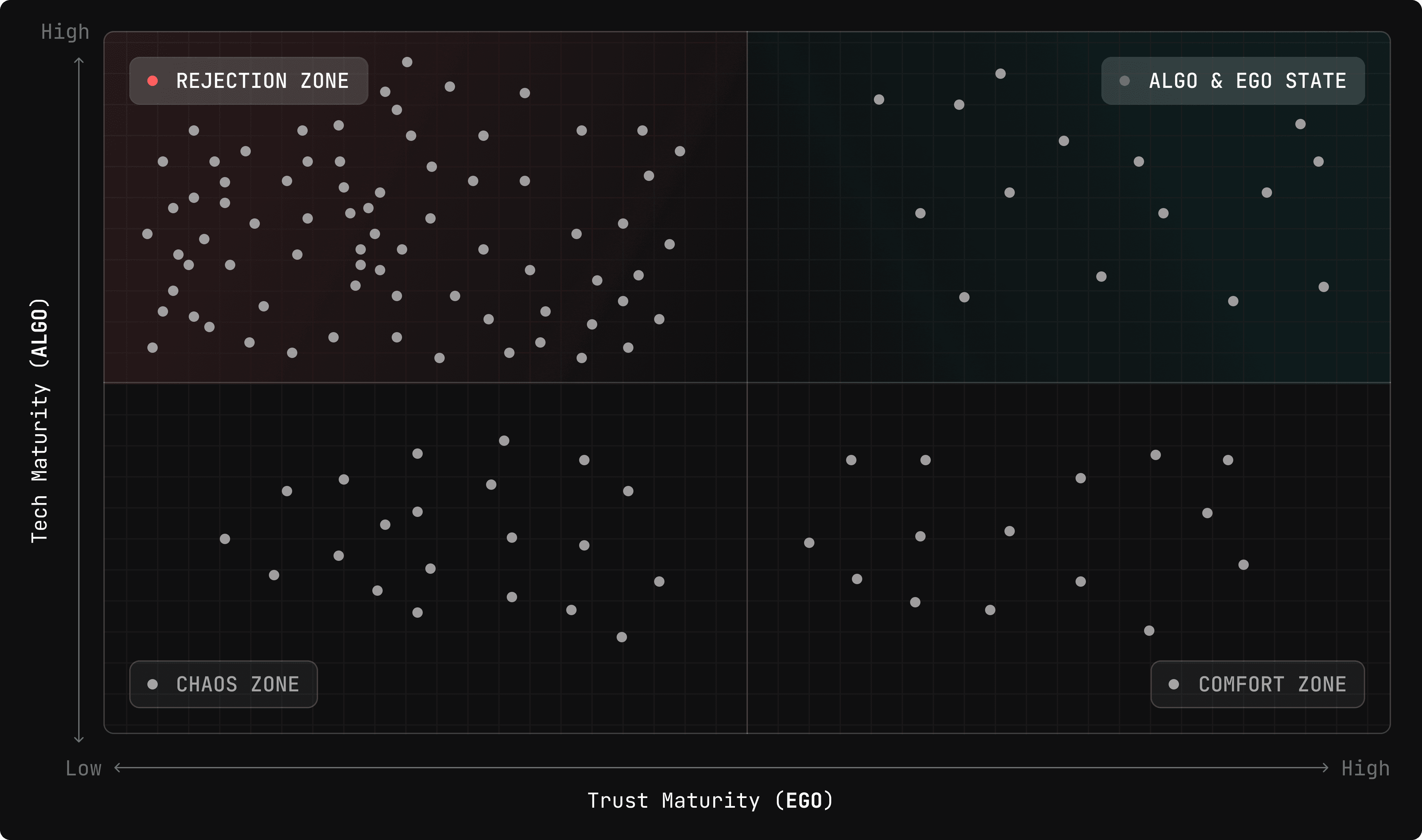
The Algo Gap is the cost of inefficiency your systems should have solved already.
And most companies underestimate it because the time is distributed. It doesn’t look dramatic. It just quietly drains capacity.
The Ego Gap: The Meeting After the Meeting
Now let’s talk about the invisible cost.
The meeting after the meeting.
The Slack thread where decisions are re debated. The private alignment calls. The political conversations that happen because people don’t feel safe disagreeing in the main room.
If a one hour meeting generates two additional hours of informal negotiation across three stakeholders, you’ve tripled the cost of that decision.
Multiply that by weekly leadership syncs.
Multiply that by quarterly planning.
This is the Ego Gap.
It’s the cost of low trust.
Instead of moving fast on agreed reality, teams burn time managing perception, influence, and internal positioning.
No accounting system tracks this.
But your payroll does.
The Talent Replacement Cost
Now the most expensive line item.
Burned out builders.
High performers don’t leave because work is hard. They leave when friction is constant and progress feels political.
Replacing a strong operator does not just cost recruiter fees.
It costs lost momentum. It costs onboarding time. It costs institutional knowledge. It costs morale ripple effects across the team.
Conservatively, replacing a senior hire can cost six to nine months of total compensation when you factor in lost productivity.
And if the root cause is cultural misalignment, the next hire will face the same system.
Which means the cycle repeats.
Add It Up
Manual inefficiency.
Political drag.
Talent churn.
Individually, they look manageable.
Together, they compound.
Culture is not a motivational poster. It is not a vibe. It is not a quarterly offsite.
It is a multiplier on how efficiently your organization converts effort into results.
When trust is high, meetings shorten. Data flows cleanly. Decisions stick. Builders stay.
When trust is low, everything requires negotiation. Everything requires validation. Everything requires extra time.
That delta is measurable.
And it sits directly on your balance sheet.
Culture isn’t fluffy.
It’s infrastructure.